
Optimizing Sleep: The Science of Energy, Arousal & Oxygenation
Most people think sleep is just about getting to bed earlier or taking the right supplements but the body’s ability to fall asleep and stay asleep is influenced by a far deeper system.
The quality of your sleep is ultimately built on two pillars: energy regulation and arousal regulation.
When either is off-balance, sleep becomes fragmented, light, or restless. When both are optimized, sleep becomes effortless.
This article breaks down the fundamental physiology of sleep and provides practical strategies you can apply immediately.
1. The Energy Equation: Building Sleep Pressure
Your body burns energy throughout the day to stay alive, move, think, and exercise. The byproduct of this energy production is adenosine, a compound that accumulates in the brain and signals the body to sleep. This sensation, called sleep pressure, is meant to build gradually throughout the day.
When you have low daytime activity this will lead to low adenosine buildup and therefore weak sleep pressure.
High movement and exercise results in more adenosine and a stronger sleep drive.
Caffeine works by blocking adenosine receptors, which is why late-day caffeine disrupts sleep.
Daily movement, ideally earlier in the day, is one of the strongest tools for improving sleep pressure. Evening exercise isn’t necessarily harmful, but high-intensity training too late can elevate cortisol and adrenaline, making it harder to wind down.
2. Arousal Regulation: When Your Body Should Be Awake
Arousal isn’t emotional, it is physiological. It determines when your body is wired and alert versus calm and ready for sleep. Arousal is controlled by hormones and neurotransmitters, especially cortisol and adrenaline. These should be:
High in the morning
Low in the evening
Three major external factors drive arousal:
Light
Heat
Food
To keep the arousal rhythm healthy:
Get bright light exposure in the first 1-2 hours of waking
Front-load most calories and movement earlier in the day
Avoid intense exercise, heavy meals, and bright light close to bedtime
Most people who struggle with sleep have low arousal in the morning and high arousal at night; the opposite of what the brain needs.
3. Oxygenation: The Hidden Sleep Disruptor No One Talks About
Many people wake up in the middle of the night and assume they needed to pee, but physiologically, most people wake first, then notice the urge to urinate. In many cases, the real trigger is poor oxygen saturation, especially in individuals who snore, mouth-breathe, carry excess weight, or have a weak diaphragm.
Typically the following occurs:
Oxygen saturation drops
CO₂ rises
Blood becomes temporarily more acidic
The brain perceives danger and releases cortisol and adrenaline
You wake up instantly and fully alert
Most people never realize oxygen is the issue.
Here are some simple improvements:
Breathe through your nose during the day and night
Strengthen the diaphragm through nasal breathing and breath-work
Increase daily movement and aerobic fitness
Consider mouth-taping at night if mouth breathing is habitual
Monitor oxygen levels with a pulse oximeter
Ideal sleep SpO₂: 98-99%
Below 96% frequently correlates with nighttime wake-ups
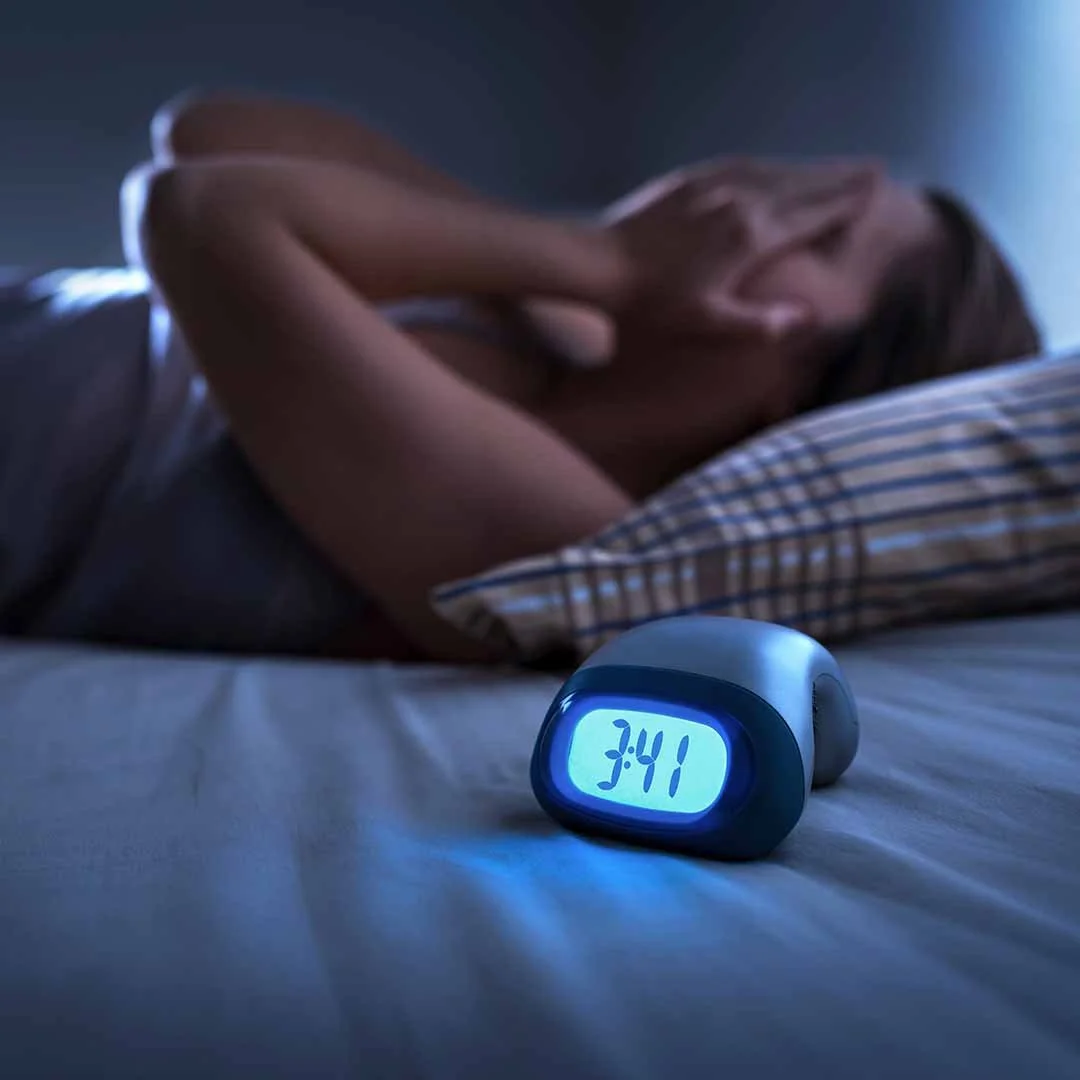
4. Falling Back Asleep: The Skill Most People Never Train
If you do wake up, the ability to fall back asleep comes down to restoring a parasympathetic state (calmness). You can train this like any other skill.
Best practices:
Do not look at your phone in bed
Avoid bright lights; a watch light is better than turning on a room light when going to the toilet
Focus attention inward, on your breathing, rather than thinking about the day
Use slow nasal breathing to lower heart rate
Yoga Nidra / NSDR (Non-Sleep Deep Rest) can accelerate this skill
Over time, as oxygenation, arousal, and energy balance normalize, nighttime wake-ups typically decrease.
5. Supplements vs. Physiology
There are countless supplements marketed for sleep, but supplements only mask symptoms when the underlying physiology isn’t optimized. Light exposure, breathing, exercise timing, food timing, and stress regulation consistently outperform pill based options.
Once foundational sleep physiology is optimized, supplements can be optional tools.
Conclusion: Make Sleep a Non-Negotiable
A great nights sleep can be achieved by aligning your physiology with your environment and daily behaviours.
To recap the most effective strategies:
Morning: bright light exposure, movement, breathing through the nose, exercise, cold exposure (optional)
Afternoon: Movement / productivity, Balanced meals, hydration, limit caffeine
Evening: Dim lighting, avoid heavy meals late, calm routines, light stretching / NSDR
When energy, arousal, and oxygenation are in balance, sleep becomes automatic and with it comes better mood, recovery, metabolism, hormonal balance, and cognitive performance.
If you need help optimizing your sleep schedule a call with us today and we can put a strategy together for you. Thank you for reading!