
GLP-1 Medications: How to Maximize Results, Protect Your Health, and Avoid Long-Term Dependence
Over the past few years, GLP-1 medications like Ozempic (Semaglutide) and Mounjaro (Tirzepatide) have transformed the landscape of weight loss and metabolic health. Originally designed for type 2 diabetes, these drugs have become widely used for fat loss, appetite control, and blood-sugar management.
However, while these drugs can be remarkably effective, it’s crucial to remember one thing:
GLP-1 medications should not be considered a magic solution or a shortcut, there are always downsides to quick fixes, and the long-term effects of these medications is not fully understood. They should be used for a limited time and as a tool to help you develop healthier habits - not replace them.
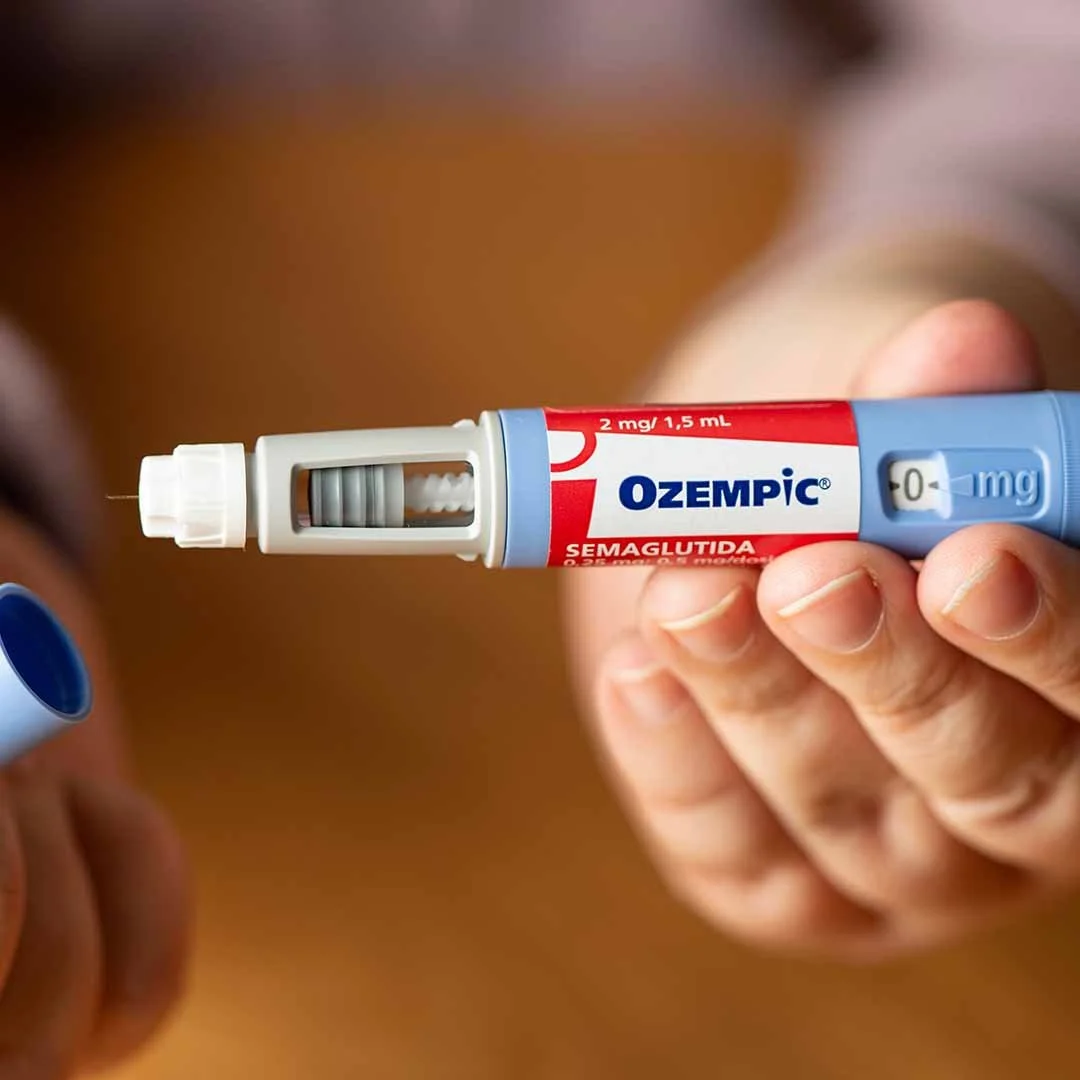
What are GLP-1 Drugs and How Do They Work?
GLP-1 stands for Glucagon-Like Peptide-1, a hormone your body naturally produces in response to food. It helps regulate blood sugar, digestion, and appetite.
GLP-1 medications mimic this hormone’s effects, helping you:
Control blood sugar by improving insulin response
Reduce hunger and cravings for highly-palatable foods
Slow digestion so you feel fuller, longer
Lower blood pressure and inflammation, supporting heart health
Some versions, like Tirzepatide, also act on another hormone called GIP, which can further enhance fat loss and insulin sensitivity.
The Benefits: Why They Work So Well
Improved Blood Sugar & Energy: GLP-1 drugs stabilize blood sugar by regulating both insulin and glucagon. GLP-1 agonists effectively stimulate the production of proinsulin (a precursor to insulin), ensuring that insulin is readily available when needed while also releasing an appropriate amount of insulin in response to blood sugar levels. GLP-1 agonists also help regulate blood sugar by reducing the release of glucagon from the pancreas. Glucagon is a hormone that raises blood sugar levels by signaling the liver to release stored glucose or produce new glucose. All these mechanisms prevent the highs and crashes that cause fatigue, brain fog, and constant hunger.
Appetite & Craving Control: They reduce hunger by slowing gastric emptying and acting directly on the brain’s appetite center. They also make high-calorie foods less rewarding, helping you regain control over eating habits.
Heart & Metabolic Health: GLP-1s improve circulation, lower blood pressure, positively influence cholesterol and triglyceride levels and reduce inflammation — all of which protect against cardiovascular disease.
Psychological Reset: By stabilizing energy and appetite, many users find they finally have the mental clarity and control to build new habits and redefine their relationship with food.
The Risks: What You Need to Watch Out For
While the benefits are powerful, there are real risks — especially if lifestyle habits aren’t addressed alongside medication.
1. Digestive Dysfunction
Nausea, bloating, constipation, reflux, or (in rare cases) gastroparesis can occur. These drugs slow digestion by design, which helps with satiety but can backfire if digestion becomes too sluggish.
Tips to prevent issues:
Eat smaller, more frequent meals
Avoid eating within 2 hours of bedtime
Limit large fluid intake around meals (avoid drinking from 30 minutes before to 30 minutes after a meal)
Support gut health with probiotics, ginger, PHGG fiber, or magnesium citrate
2. Increased Resting Heart Rate
Some people experience a slight increase in resting heart rate (5–10 bpm). This happens due to stimulation of the sympathetic (“fight-or-flight”) system.
Support heart health with:
Regular aerobic exercise
Omega-3s, CoQ10, Hawthorn extract, and magnesium glycinate
Stress-management techniques like yoga and meditation
3. Muscle and Bone Loss
Up to 30–50% of total weight lost on GLP-1s can come from lean tissue — primarily due to reduced calorie and protein intake. This slows metabolism and increases the chance of regaining fat later. It also increases the risk of other health issues.
Prevent muscle loss by:
Eating 1.5–2 g of protein per kg of body weight daily
Performing full-body resistance training at least 3× per week
Sleeping 7+ hours each night for recovery and hormone balance
Consider taking B12 and Vitamin D if appetite is low
4. Other Potential Side Effects
Retinopathy risk in those with advanced diabetes (data mixed)
Gallbladder issues with prolonged use
High cost and long-term dependency if lifestyle aren’t addressed
How to Maximize Results Safely
GLP-1 medications are most effective when paired with structured lifestyle changes — not as a substitute for them.
During Treatment
Prioritize Protein: Keep intake above 1.5–2 g/kg and distribute it evenly throughout the day.
Train Consistently: Combine resistance training with moderate cardio for optimal results.
Sleep Well: Aim for 7–8 hours of quality rest.
Hydrate and Supplement: Drink ~1 L of water per 25 kg body weight; consider a daily multivitamin.
Manage Stress: Use aerobic exercise, yoga, and mindfulness to regulate cortisol.
Build Habits Now: Treat this as your window to hard-wire sustainable behaviors.
Coming Off GLP-1: Preventing Rebound Weight Gain
Research shows that most people regain weight once they stop — but this doesn’t have to happen.
To transition successfully:
Taper Slowly: Reduce your dose gradually over several weeks.
Keep Training: Muscle retention is the best protection against fat regain.
Stick to Whole Foods: Maintain a protein- and fiber-rich, minimally processed diet.
Support Natural GLP-1 Production:
Berberine (500–1500 mg/day)
Prebiotics / Butyrate (via inulin or fiber)
Resveratrol (1–2 g/day)
Probiotics (Lactobacillus + Bifidobacteria)
Final Thoughts: It’s Not a Quick Fix
GLP-1 medications can be an excellent temporary aid for fat loss, appetite control, and metabolic health—but they are not a long-term solution.
They should be used strategically and for a limited time, to help reset your physiology and give you the space to establish healthy, sustainable habits around food, movement, and recovery.
At The Body Engineers, we focus on helping clients transition from medication dependence to self-sustained metabolic health through structured nutrition plans, progressive resistance training, and ongoing habit coaching.
Book a Consultation
If you’re considering GLP-1 therapy, or currently using it, and want to ensure you’re protecting your muscle, metabolism, and long-term health, schedule a call with us at the Body Engineers to learn how we can help.
We’ll design a customized plan to help you get results safely, build habits that last, and take control of your health - for good.