
Lifestyle Habits for a Graceful Transition into Perimenopause & Menopause
For women, the transition into perimenopause and menopause is often framed as a struggle but in reality, it’s a natural, powerful phase of life. With the right habits, this stage can be a time of wisdom, nurturance and creativity. By approaching it with the right mindset, lifestyle practices and self-care, you can navigate this journey with strength and grace.
Mindset: Embracing the Transition
Perimenopause (the years leading up to menopause) and menopause (marked by 12 consecutive months without a menstrual cycle) are not an ending, but the start of a new chapter. From an Ayurvedic perspective, many of the symptoms - like hot flashes, night sweats, or mood swings - are signals of the body’s shifting energy and hormonal balance.
For example:
Hot flashes/night sweats may signal excess heat (pitta imbalance). Cooling foods like cucumbers, mint, or coconut water can help.
Mood swings may stem from vata imbalance- try grounding practices like warm meals, meditation, or journaling.
Weight gain can occur with slowing metabolism- gentle detox practices and mindful eating are supportive.
These shifts are not “problems” to fix but cues to listen more deeply to what the body needs.
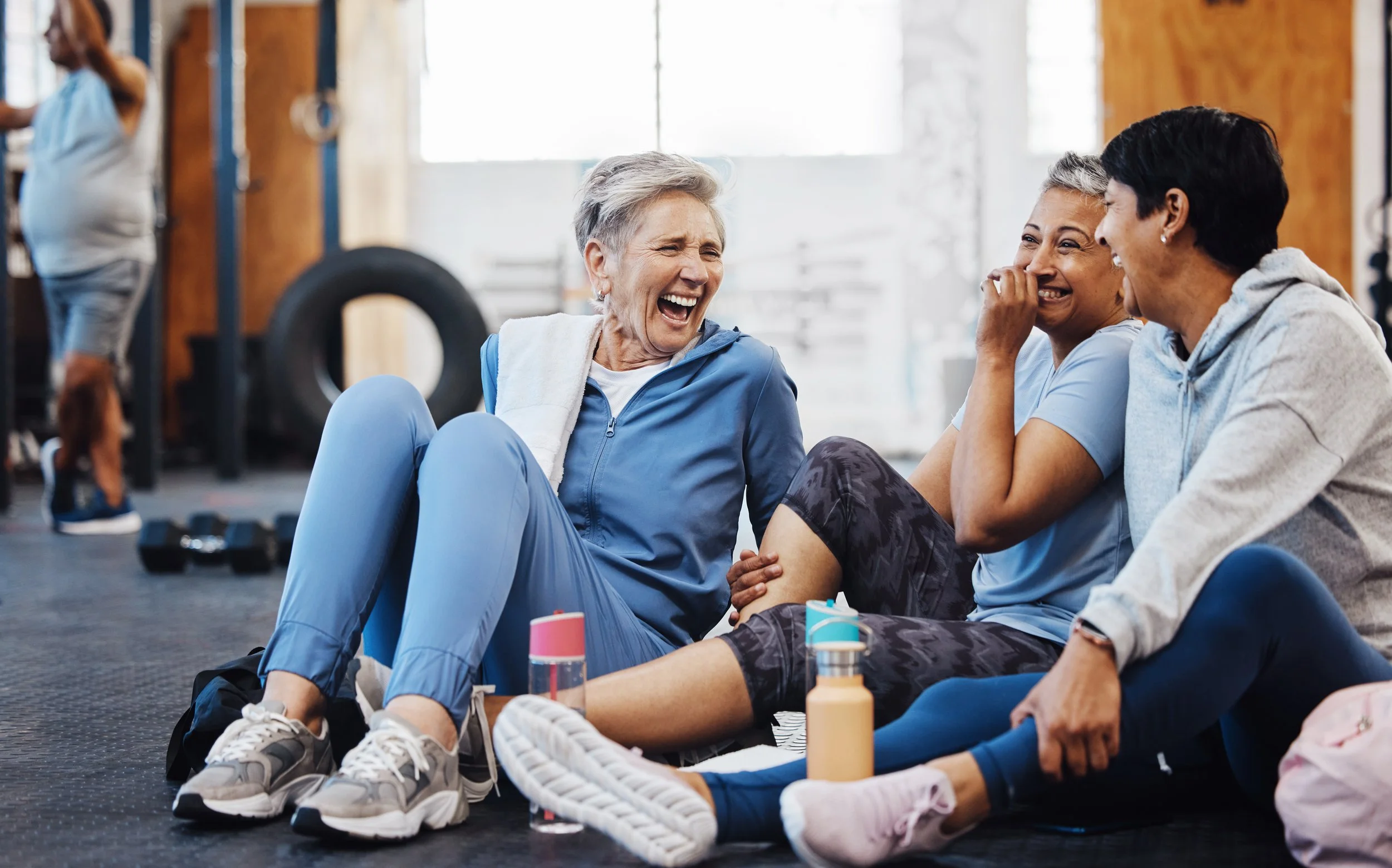
Training: The Power of Strength
Research shows that starting in your mid-30s, it is beneficial to incorporate power-style training (heavier weights with lower reps). Why? Because this style of training helps:
Support hormonal balance by reducing cortisol (stress hormone) and increasing growth hormone and testosterone, both key for lean muscle.
Protect bone density, reducing risk of osteoporosis.
Boost metabolism, making weight management easier through muscle preservation.
Strength training isn’t just for athletes- it’s one of the best long-term investments in healthy ageing. If you haven’t started yet, that’s perfectly okay - it’s never too late to begin. Every step you take now can build strength, balance and confidence for years to come.
Nutrition: Fuel for Balance
As hormones fluctuate, nutrition becomes even more vital. A balanced plate should include:
Protein – supports muscle maintenance, metabolism, and satiety. Aim for about 20–30g per meal (varies by body size and goals). Protein helps stabilize blood sugar and preserve lean muscle as metabolism naturally slows.
Fibrous carbohydrates – provide steady energy and support gut health, which plays a major role in hormone regulation, especially insulin.
Healthy fats – nourish hormones, support brain health and ease inflammation.
Simple, whole-food meals rooted in these principles create stability for both body and mind.
And don’t forget hydration: water is crucial for regulating temperature, flushing toxins and supporting skin, joint and digestive health. A good baseline is about 1⁄2 your body weight in ounces per day (for example, a 150 lb woman would aim for ~75 oz, or 2.2L), adjusting for activity level, climate and individual needs.
Smart Supplement Support
While nutrition should always be the foundation, certain supplements can provide valuable support during perimenopause and menopause:
Creatine: helps maintain muscle strength, brain health and energy production, especially important as muscle naturally declines with age.
Collagen: supports bone and joint health, as well as skin elasticity.
Magnesium: promotes relaxation, better sleep and hormone regulation, while also helping reduce muscle tension.
Vitamin D: essential for bone health, immune support and mood balance, particularly since many women have low levels.
Omega-3 fatty acids: reduces inflammation, supports heart and brain health and may help with mood stability.
These can be simple yet powerful additions to complement nutrition, training and lifestyle habits filling in the gaps and supporting long-term health and wellness.
Since every woman’s body and lifestyle are different, a health coach can help you create an individualized meal plan tailored to your unique needs whether your goals are balancing energy, easing symptoms, or maintaining a healthy weight. A personalized approach ensures you’re fuelling your body in the most supportive way possible.

Self-Care: A Non-Negotiable
Women often put themselves last but self-care is essential during this stage of life. Taking time to nurture yourself replenishes energy and builds resilience. Incorporating simple practices daily or weekly can greatly improve your health both mentally and physically, examples include:
Self-oil massage (Abhyanga) to calm the nervous system and nourish tissues.
A quiet moment with tea to restore presence and peace.
5 slow, intentional breaths between tasks to reset and refocus.
These simple rituals support emotional balance and remind us that self-care is not indulgence - it’s medicine.
Medical Options & Natural Support
Some women may choose hormone replacement therapy (HRT) or other medical treatments to ease symptoms. These can be effective for addressing concerns like severe hot flashes, bone loss, or sleep disruption. However, it’s important to weigh risks and benefits with a trusted healthcare provider.
Even if medical support is chosen, natural remedies and lifestyle habits remain essential. Strength training, balanced nutrition, natural practices and mindful self-care work in harmony with (or without) medical treatment, offering long-term resilience and overall vitality.
Closing Thoughts
Perimenopause and menopause can be experienced as a graceful transition when approached holistically. With the right mindset, strength-building movement, balanced nutrition, supportive self-care and- if needed- medical options, this chapter becomes a time to embrace your power and wisdom- not just to endure, but to thrive and make the most of this time.
If you’re ready for more personalized support, I’d love to guide you through this journey. Whether you're looking to get started with a personal training, a customized nutrition support, or ongoing holistic health coaching, we can create a path that supports your unique needs and goals.
If you want to learn more about working with me, schedule a call with BE today to explore how we can work together to make this transition smoother and more balanced, empowering yourself for generations to come.