
Cardiovascular Disease: The Silent Killer That Might First Show Up in the Bedroom
Cardiovascular disease (CVD) is the leading cause of death among men worldwide. Yet many don’t realize they’re at risk until it’s too late. But in many cases, your body gives you warning signs well before a major event like a heart attack—erectile dysfunction (ED) is one of the most important.
While ED is often blamed on low testosterone or aging, it’s frequently a circulatory issue—a sign that blood flow throughout the body, including to more intimate areas, is compromised.
Erectile Dysfunction Is Often the First Sign of Vascular Trouble
Sexual function relies heavily on healthy blood flow. When circulation becomes impaired due to damaged arteries or plaque buildup, one of the first areas affected is the system responsible for maintaining an erection.
This makes ED one of the earliest and most noticeable signs of vascular dysfunction—long before you may experience chest pain, shortness of breath, or other classic symptoms of heart disease.
Think of ED as your body’s check-engine light, warning you of deeper cardiovascular problems that may be brewing.
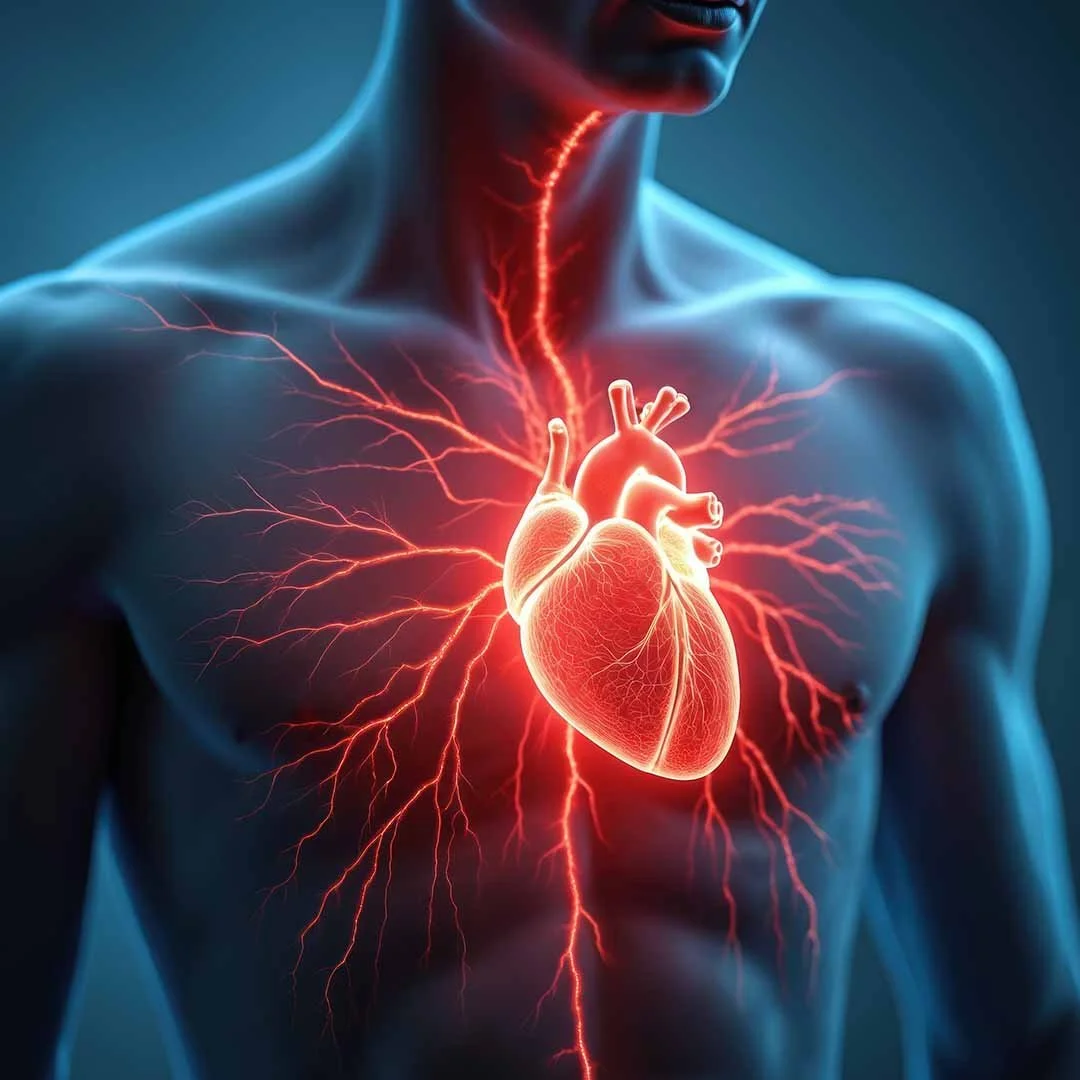
A Note on Erectile Dysfunction: Not Always the Same Root Cause
It’s important to understand that not all cases of ED are due to cardiovascular problems. Psychological factors such as stress, anxiety, or relationship concerns can also impact sexual performance. Other causes may include:
Sleep disturbances
Hormonal imbalances
Medication side effects
Excessive alcohol or smoking
Sedentary lifestyle
So if you're noticing changes in function, there's no need to panic—but it is a good time to check in on your overall health. The goal isn’t fear, but awareness: take it as an opportunity to focus on what you can control, like optimizing blood flow, lowering inflammation, improving fitness, and supporting cardiovascular function.
What Causes Cardiovascular Disease?
Heart disease is driven by more than just high cholesterol. The root causes are multifactorial and include:
Damage to the inner lining of blood vessels (endothelium)
Oxidized LDL cholesterol
Chronic low-grade inflammation
Elevated blood pressure
High blood sugar and insulin resistance
Stress, poor sleep, and social isolation
Once the vessel lining is compromised, oxidized cholesterol and inflammatory cells can enter, forming plaques that narrow and stiffen the arteries—a process called atherosclerosis.
Nitric Oxide: The Molecule Behind Healthy Blood Flow
One of the body’s most important tools for maintaining circulation is nitric oxide (NO). It helps relax and widen blood vessels, allowing for smooth blood flow throughout the body—including to areas needed for sexual function, exercise performance, and brain health.
But nitric oxide production declines with age, especially after 40. That can lead to stiffer arteries, rising blood pressure, and reduced circulation.
You can support nitric oxide production naturally by eating more nitrate-rich foods like:
🥬 Leafy greens (spinach, arugula, romaine, Swiss chard)
🥕 Beets and beet juice – one of the most powerful natural sources
🌿 Celery, bok choy, cabbage, and broccoli
Beets, in particular, are highly effective at boosting nitric oxide. Whether eaten roasted, raw, juiced, or powdered, they help reduce blood pressure and improve overall vascular function. Chewing thoroughly and maintaining good stomach acid levels also help convert nitrates into usable nitric oxide.
Beyond Diet: The Lifestyle Foundations of Heart Health
While nutrition is key, other lifestyle choices play a major role in cardiovascular—and sexual—health:
💪 Cardiovascular Fitness
Aerobic activity like walking, swimming, or cycling boosts nitric oxide, strengthens your heart, and improves blood vessel elasticity.
🧂 Blood Pressure Management
High blood pressure silently damages arteries. Aim for <120/80 and support healthy pressure with potassium-rich foods, magnesium, hibiscus tea, and regular movement.
😴 Quality Sleep
Inadequate or poor-quality sleep raises blood pressure and stress hormones. Prioritize deep, consistent rest to support recovery and vascular repair.
How Stress, Loneliness, and Purpose Impact Your Heart
CVD isn't just about the physical—your mental and emotional well-being have a direct effect on your vascular system.
😰 Perceived Stress
Your perception of stress often matters more than the stressor itself. Feeling overwhelmed, unsupported, or chronically anxious can trigger a constant "fight or flight" response, raising cortisol, increasing inflammation, and impairing blood flow.
💔 Perceived Loneliness
It’s not being alone that harms your health—it’s feeling alone.
Perceived loneliness, or the subjective sense of disconnection from others, is what increases the risk of cardiovascular disease and early mortality—not the number of people around you. You can be surrounded by others and still feel lonely, or live alone and feel completely content and connected.
When loneliness is experienced as distress, your body responds as though it’s under threat: stress hormones rise, inflammation increases, and immune function can decline. Over time, this contributes to higher blood pressure, poorer heart health, and reduced resilience.
One of the most effective ways to counter this is to engage with a community. Being part of a group—whether it’s a church, gym, book club, volunteer organization, or hobby group—creates regular opportunities for connection, shared purpose, and emotional support. These types of communities help lower stress, boost mood, and provide a vital buffer against social isolation.
It’s not about quantity—it’s about quality and consistency of connection. Prioritize relationships and group settings that make you feel seen, supported, and safe.
🌱 Lack of Purpose
Living without a sense of purpose can leave your body in a state of low motivation and higher stress. People with a strong sense of meaning in life have lower rates of heart disease, improved immune function, and greater resilience.
Finding purpose doesn’t require a career change—it could mean mentoring someone, caring for your family, volunteering, or pursuing personal growth.
Taking Action: Early Intervention Matters
If you’re experiencing ED, cold hands and feet, pale nail beds, or other signs of poor circulation, it may be time to assess your cardiovascular health. A coronary calcium score is a non-invasive scan that can detect early plaque buildup (click here for more information).
From there, focus on:
Eating nitrate-rich foods daily (especially leafy greens and beets)
Moving your body with regular cardio and strength training
Prioritizing restorative sleep
Managing stress through breathwork, mindfulness, or physical activity
Building strong relationships and social ties
Rediscovering your purpose
Final Thoughts
Erectile dysfunction may feel like an isolated issue—but it often reflects deeper problems in your vascular system.
By addressing circulation, inflammation, stress, and lifestyle habits, you not only improve your sexual health—you support your longevity, energy, brain function, and overall quality of life.
So yes eat the beets. But also: get moving, stay connected, sleep deeply, and live with purpose.
Your heart—and every other part of you—will thank you.