
A Beginner’s Guide to the Trap Bar Deadlift
What is a Trap Bar Deadlift?
The trap bar (also called a hex bar) is a specialty barbell shaped like a hexagon that you stand inside. Its side handles allow your shoulders to remain in a neutral position, which many lifters find more comfortable and stable.
Some modern trap bars are open at the front and include a built-in jack, making it easier to load and unload plates (see Figure 1).
The trap bar deadlift is a well-regarded alternative to the conventional barbell deadlift. Because the weight sits closer to your centre of mass, the lift promotes a more upright torso and decreases stress on the lumbar spine. This makes it a safer option for many lifters, especially beginners or those with a history of lower-back sensitivity.
By contrast, a conventional deadlift positions the bar in front of the body, increasing shear forces through the spine due to the longer moment arm.
The trap bar deadlift trains the glutes, hamstrings, quadriceps, upper back, and core, making it one of the best total-body strength exercises.
Key Benefits of the Trap Bar Deadlift
Safer for Most People: With the handles at your sides, the load stays closer to your lower back, reducing lumbar stress and making this a back-friendly deadlift variation.
Builds Total-Body Strength: This lift powerfully targets the glutes, hamstrings, and back while also challenging the core and quadriceps.
Improves Posture: Proper technique strengthens the upper-back and shoulder stabilizers, helping you stand taller with better shoulder-blade retraction.
Boosts Power Production: Research shows trap bar deadlifts can produce higher peak power than straight-bar deadlifts.
Ideal for Beginners and Advanced Lifters: Easy to learn, easy to load, and effective at every training level.
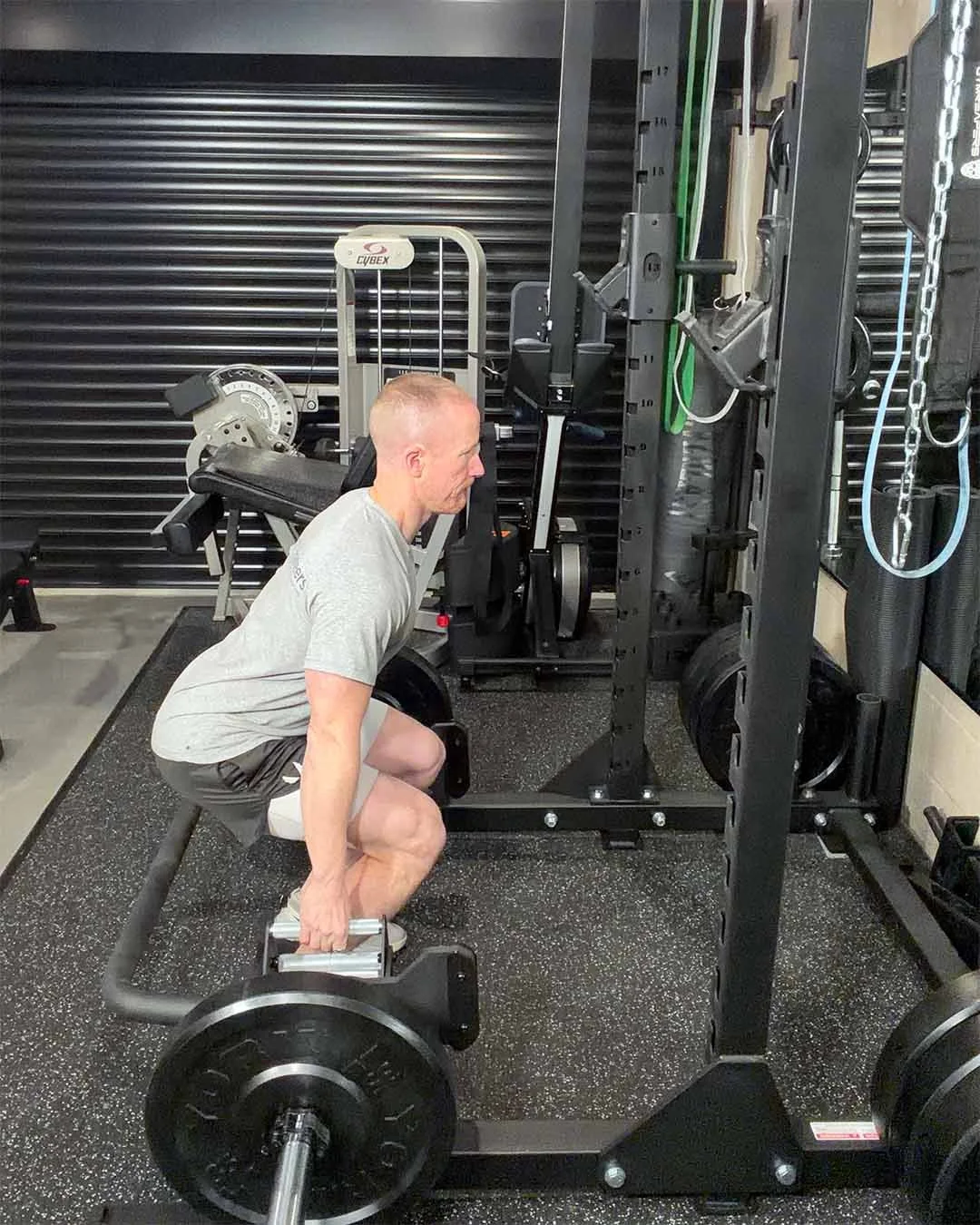
Figure 1: Starting position for the trap bar deadlift
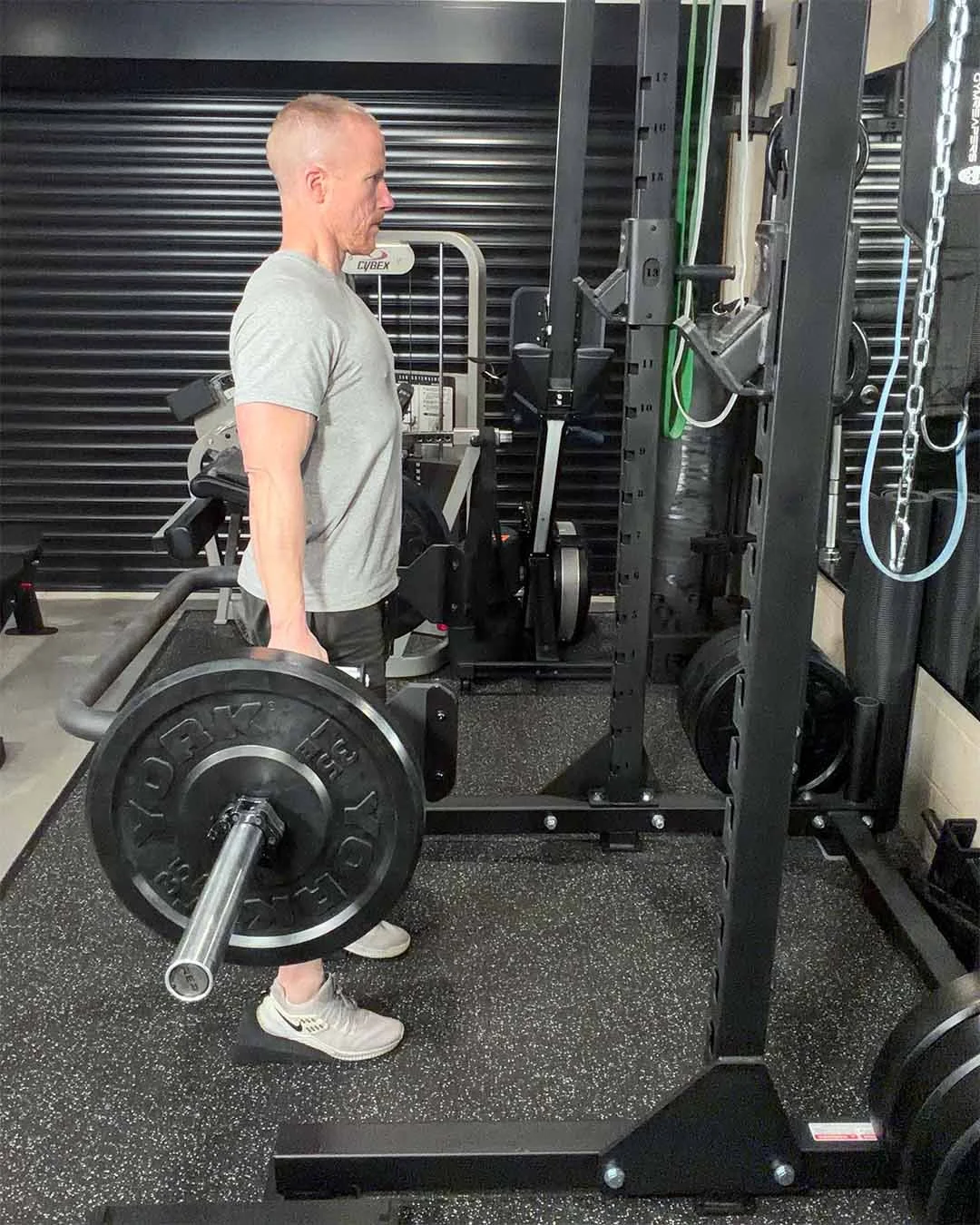
Figure 2: End position for the trap bar deadlift
How to Determine Your Ideal Set-Up
Many people assume the bar should always be lifted from the floor; this isn’t true. Your starting position should depend on your mobility, limb proportions, and bone structure. Pulling from the floor isn’t safe for everyone.
Follow these steps to find the right setup (Figures 3 to 5):
Load the bar with light full-size plates to test your lowest possible starting height.
Stand in the centre of the trap bar with your feet hip-width apart.
Activate your traps by shrugging your shoulders upward.
Lower yourself toward the handles by bending your knees forward and pushing your hips back.
Keep your spine straight and avoid rounding or excessive forward lean.
Test your reach:
Can you grab the handles without rounding your back?If no, try:
Heel wedges to improve your upright torso position (See figure 4)
Raising the bar on blocks (see figure 5)
Often people need either wedges or blocks and some need both.
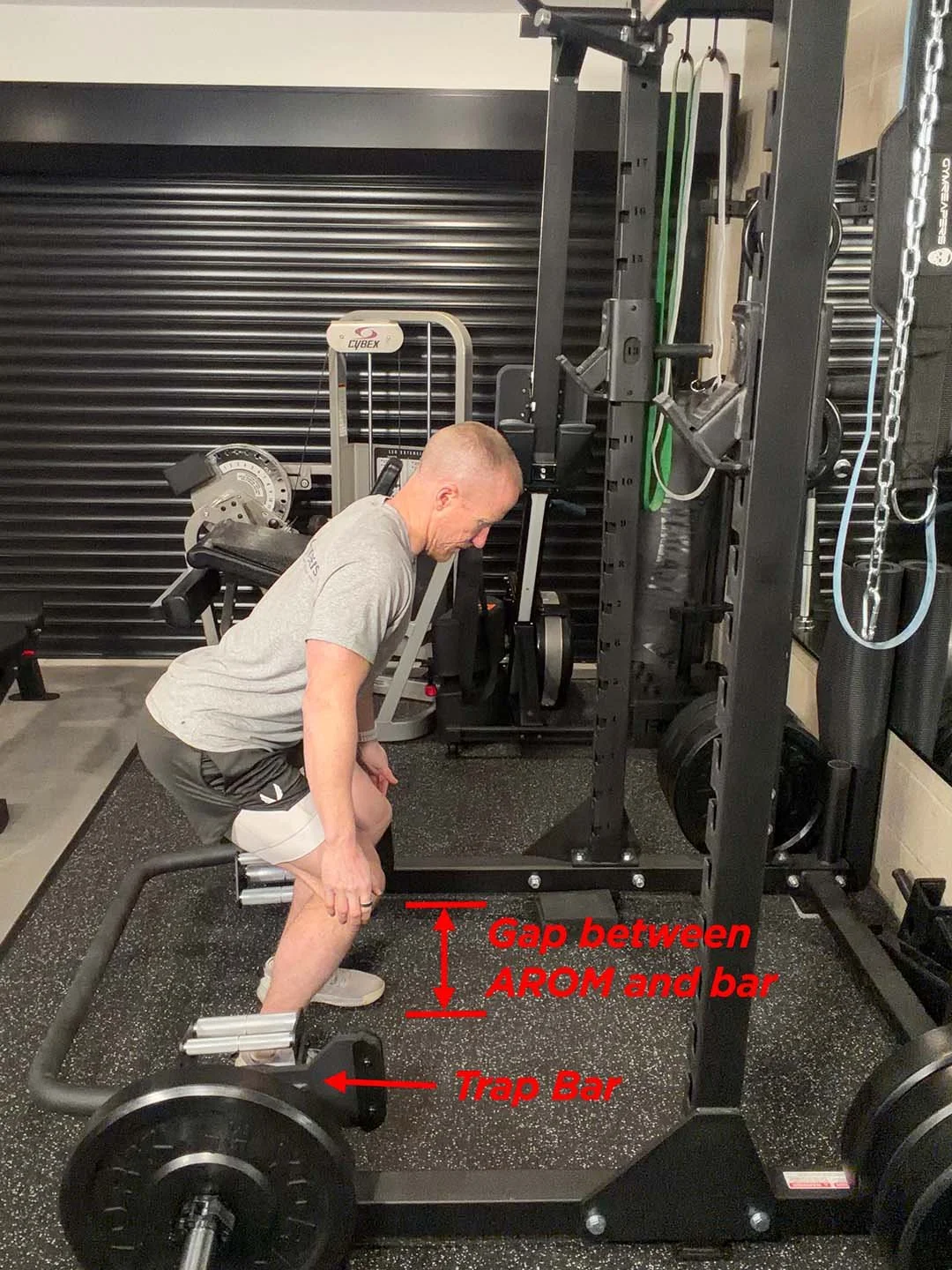
Figure 3: Testing your active range of motion (my ankles are very tight!)
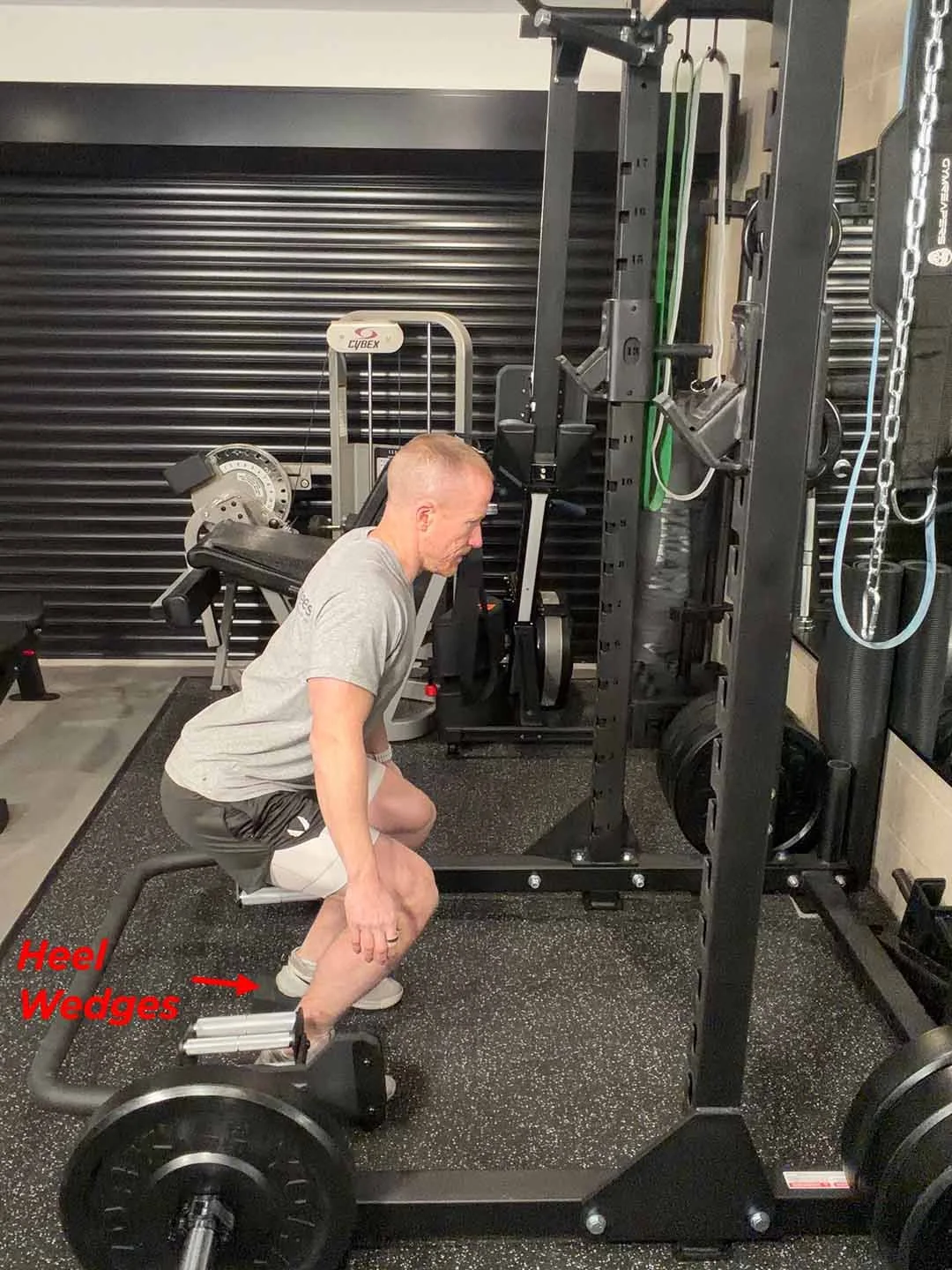
Figure 4: Adding heel wedges makes a big difference but the bar is still too low.
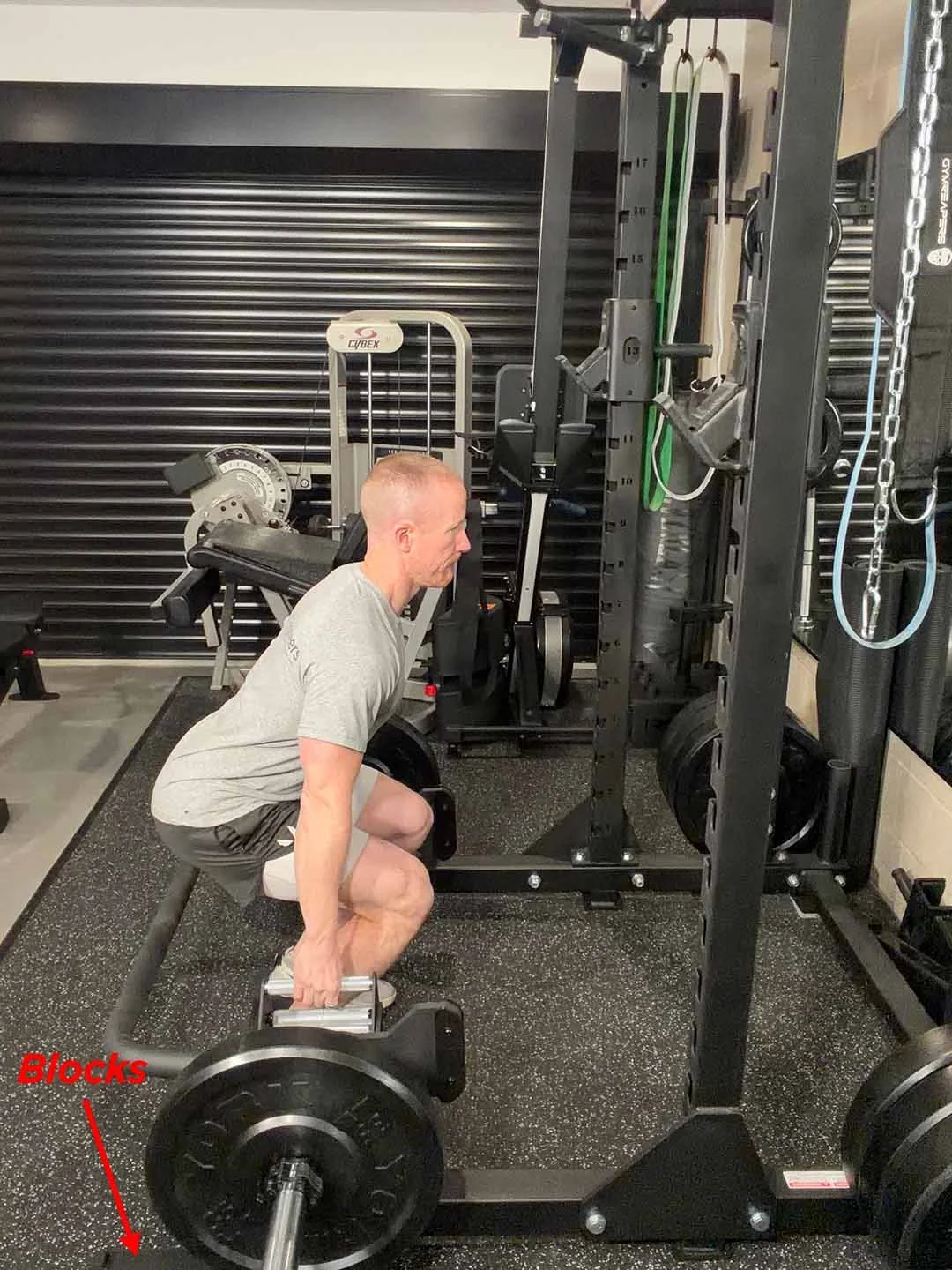
Figure 5: Placing blocks under the bar allows me to reach the handles.
How to Perform the Trap Bar Deadlift (Step-by-Step)
Once your setup is optimized:
1. Repeat your setup: Position yourself exactly as above, including wedges or blocks if needed.
2. Grip the handles: Use the tips of your fingers to maintain stronger grip mechanics and a neutral wrist.
3. Maintain an upright posture: Feet flat, chest tall, spine straight.
4. Engage the shoulders: Retract and slightly elevate the shoulder blades to “take the slack out of the bar.” This creates whole-body tension and protects the shoulders and spine (Figure 5).
5. Breathing: Inhale deeply, brace your core, and hold the breath during the initial lift. Exhale near the top of the movement.
6. Lift with control: Press your feet into the floor and extend your hips and knees at the same time. Finish tall with your traps still active (Figure 2).
7. Lower with intention: Push your hips back while bending your knees forward. Keep your spine straight and your shoulder blades engaged.
8. Reset or touch-and-go: At the bottom, either: Tap the plates lightly and lift again without losing tension, or pause, reset your posture, and begin your next rep. Both methods are valid depending on your training goals and ability to control the weight.
Have Questions?
Leave a comment below or message us. We are always happy to help you improve your technique and confidence in the gym.
Want to Get Stronger?
If you’re reading this before January 5th, 2026, and want to boost your trap bar deadlift strength, check out our BE Strong Challenge!